

Can You Install a Smart Lock in a Rental Apartment? Here’s What You Need to Know

The question every renter asks before buying a smart lock
You want keyless entry. You’re tired of fumbling for keys, worried about lost copies, or managing access for a cleaner or dog walker. A smart lock seems like the obvious solution — but you’re renting, and you’re not sure if you’re allowed to install one, whether you’ll lose your deposit, or whether the lock will even fit your apartment door.
The good news: most renters can install a smart lock without violating their lease, without damaging the door, and without losing a cent of their deposit — if they choose the right lock and follow a few simple rules. This article covers everything you need to know before buying a smart lock for your apartment.
First: check your lease
Before buying anything, read your lease agreement. Look for clauses about:
- Lock modifications — some leases explicitly prohibit changing or adding locks without landlord approval.
- Alterations to the property — a broad clause that could cover lock installation depending on interpretation.
- Key return requirements — if your lease requires returning all keys at move-out, a smart lock that replaces the cylinder may complicate this.
If your lease is silent on locks, you’re likely fine — but it’s always worth a quick message to your landlord. Most landlords have no objection to smart locks, especially if you explain that you’ll restore the original lock when you move out. Some are even enthusiastic about it.
If your lease prohibits lock changes, ask for written permission before proceeding. Many landlords will grant it, especially if you offer to restore the original lock at move-out.
The deposit question: will a smart lock cost you money?
Only if you install it incorrectly or choose the wrong type. Here’s how to protect your deposit:
Keep the original lock. When you install a smart lock, store the original lock (and all its keys) in a safe place. When you move out, reinstall the original lock and return it in the same condition you received it. This is the single most important step for deposit protection.
Don’t drill new holes. Choose a smart lock that uses the existing door preparation — the same borehole and latch cutout as your current lock. Any lock that requires drilling new holes into the door or frame creates permanent modifications that could cost you.
Use the existing screw holes. A properly designed replacement smart lock uses the same mounting screws as the original lock. If you’re filling old holes or creating new ones, you’ve chosen the wrong lock for your door.
What type of smart lock works best in apartments?
Not all smart locks are equally renter-friendly. Here’s how the main types compare:
Full replacement locks (recommended)
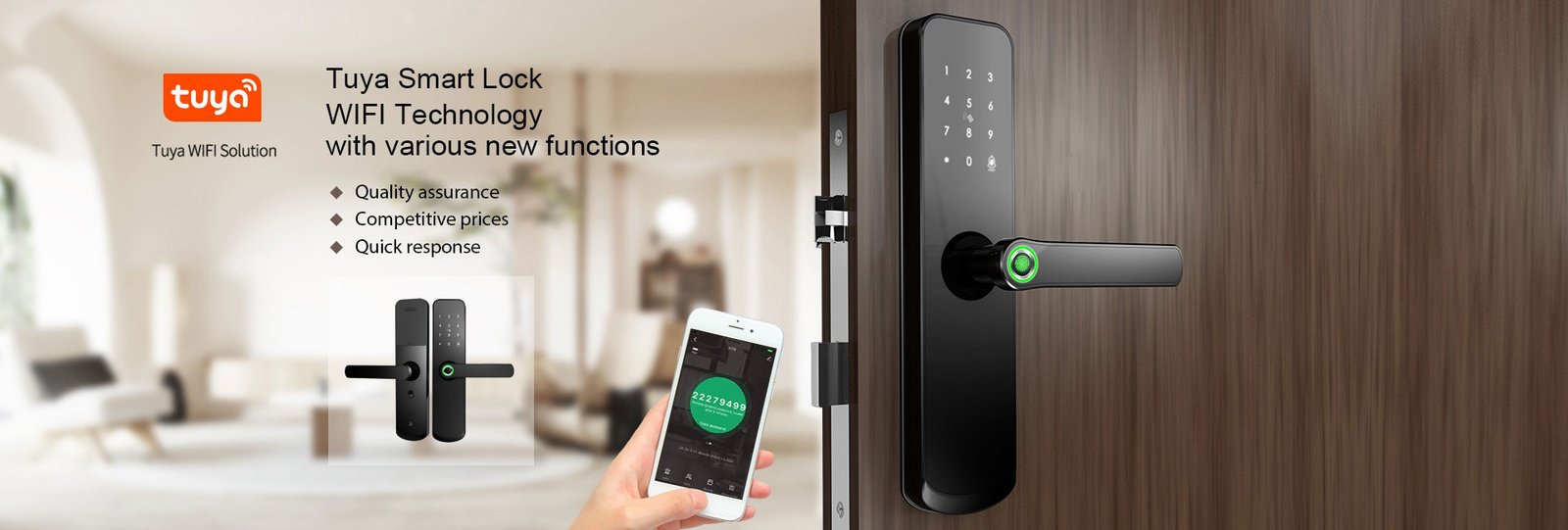
These replace the entire lock cylinder and handle assembly using the existing door preparation. They look like a standard door lock from the outside, install without new holes, and can be swapped back to the original lock in about 20 minutes. This is the best option for most apartment renters.
Look for models that support your door’s backset (45mm, 50mm, or 60mm — measure before buying) and include a physical key backup for emergencies.
Deadbolt add-ons (use with caution)
Some smart locks attach to the interior side of an existing deadbolt, turning the thumb-turn automatically via a motor. These require no new holes and are fully reversible — but they only work if your existing deadbolt is compatible, and they don’t replace the lock cylinder, so the exterior keyhole remains.
Avoid: locks requiring new drilling
Any smart lock that requires drilling new holes in the door or frame is not suitable for a rental apartment unless you have explicit written permission from your landlord and are prepared to fill and repaint the holes at move-out.
Features that matter most for apartment renters
Multiple access methods
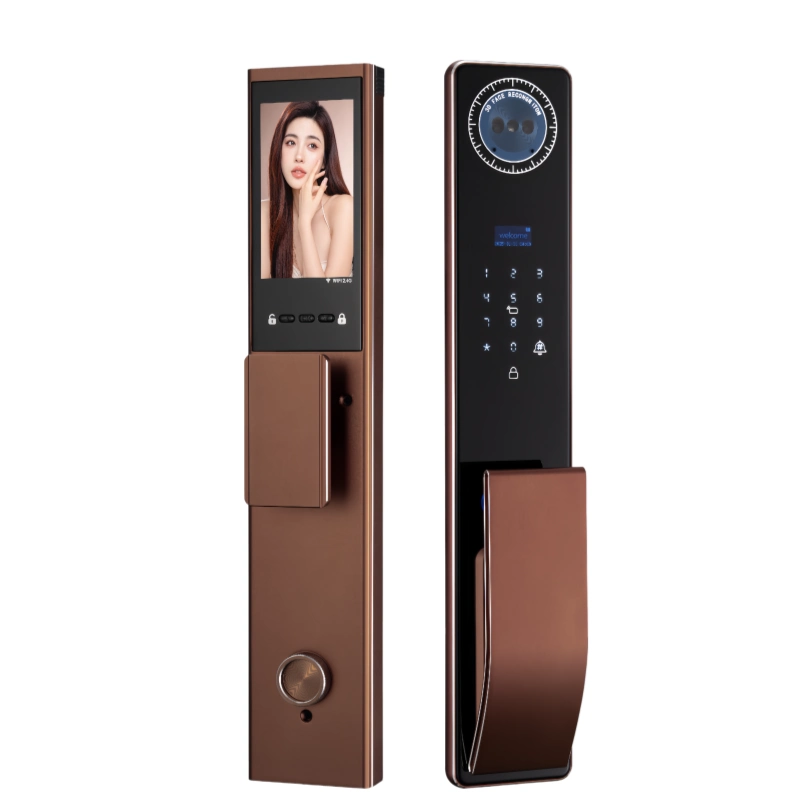
Fingerprint, PIN code, NFC card, and physical key backup. In an apartment, you’re likely sharing access with a partner, family member, cleaner, or occasional guest. Multiple access methods mean everyone can get in their preferred way without you having to be home to let them in.
Temporary and scheduled access codes
Create a PIN code for your cleaner that only works on Tuesday mornings. Generate a one-time code for a delivery that expires after a single use. This is one of the most practical features for apartment living — no more hiding keys under the mat or making copies you’ll never get back.
Auto-lock
Apartment doors are easy to forget. Auto-lock ensures the door locks itself after a set time — typically 30 seconds to 5 minutes — so you never leave home unlocked by accident.
Quiet operation
In an apartment building, a loud motor or beeping keypad at 2am is a problem. Look for locks with adjustable sound settings and a quiet motor. Most quality smart locks let you mute the keypad beeps and reduce motor noise.
WiFi or Bluetooth connectivity
WiFi-connected locks let you check lock status and unlock remotely from anywhere — useful when you need to let someone in while you’re at work. Bluetooth locks require you to be nearby but offer longer battery life. For most apartment renters, Bluetooth with a WiFi gateway option is the sweet spot.
Move-out checklist: leaving no trace
When it’s time to move out, follow these steps to restore the door to its original condition:
- Remove the smart lock carefully, keeping all screws and components.
- Reinstall the original lock using the original screws and hardware.
- Test the original lock with all original keys to confirm it works correctly.
- Return all original keys to the landlord as required by your lease.
- Wipe down the door surface where the smart lock was mounted — most locks leave no marks if installed correctly.
Done correctly, your landlord will never know a smart lock was there.
What about building management and master keys?
In most apartment buildings, the building management or landlord holds a master key or has access to a master key system. When you install a smart lock that replaces the cylinder, you’re changing the lock that the master key operates — which may or may not be a problem depending on your building’s setup.
The safest approach: inform your landlord or building management before installing, confirm they have no objection, and offer to provide them with a physical key or access code for emergency access. This is good practice regardless of what your lease says, and it prevents any misunderstanding at move-out.
The bottom line for renters
A smart lock is one of the most practical upgrades you can make to an apartment — and it’s fully reversible if you do it right. Choose a full replacement lock that uses your existing door preparation, keep the original lock stored safely, and restore everything when you move out. That’s it.
The convenience of fingerprint entry, temporary access codes, and remote unlock is genuinely useful in apartment living — and you don’t have to own the property to enjoy it.
Find smart locks designed for apartment installation at ezlivinglocks.com — reversible installation, multiple access methods, and compatibility with standard apartment door preparations.