

Why Your Narrow Door Needs a Slim Smart Lock (And How to Choose the Right One)

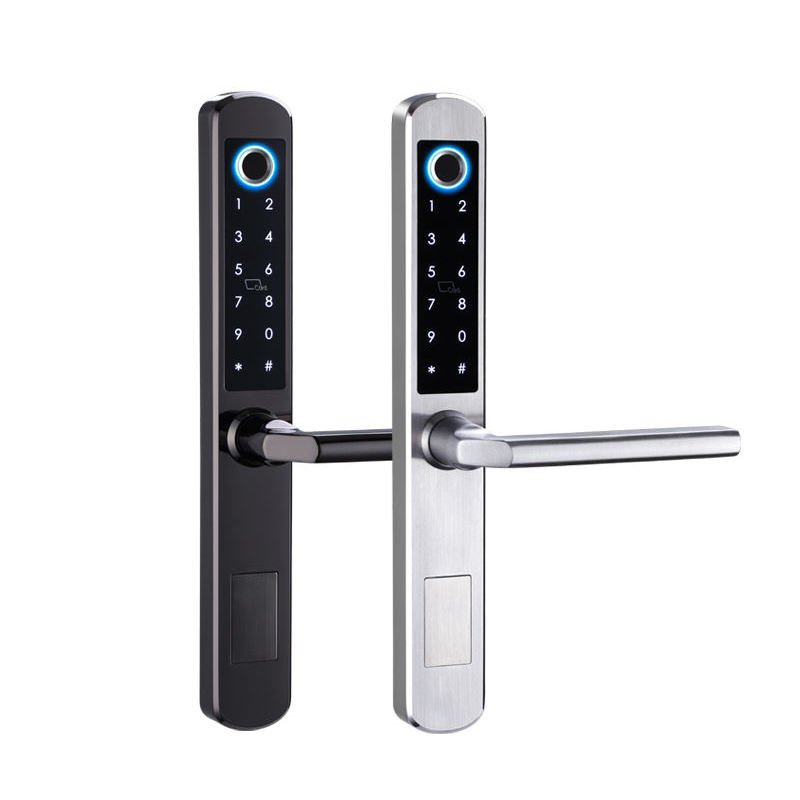
Most smart locks won’t fit your narrow door — here’s what will
If you’ve ever tried shopping for a smart lock and noticed that every model seems designed for standard-width doors, you’re not alone. Narrow doors — common in apartments, older buildings, and European-style interiors — have a backset (the distance from the door edge to the center of the borehole) of just 45mm or 50mm, compared to the standard 60mm or 70mm that most smart locks require. The result? A lock that sticks out awkwardly, doesn’t align with the strike plate, or simply can’t be installed at all.
A slim smart lock solves this. These are specifically engineered with a reduced footprint and shorter backset compatibility, so they sit flush on narrow door frames without compromising on security or smart features. This article walks you through what makes a smart lock “slim,” which doors actually need one, and how to pick the right model for your situation.
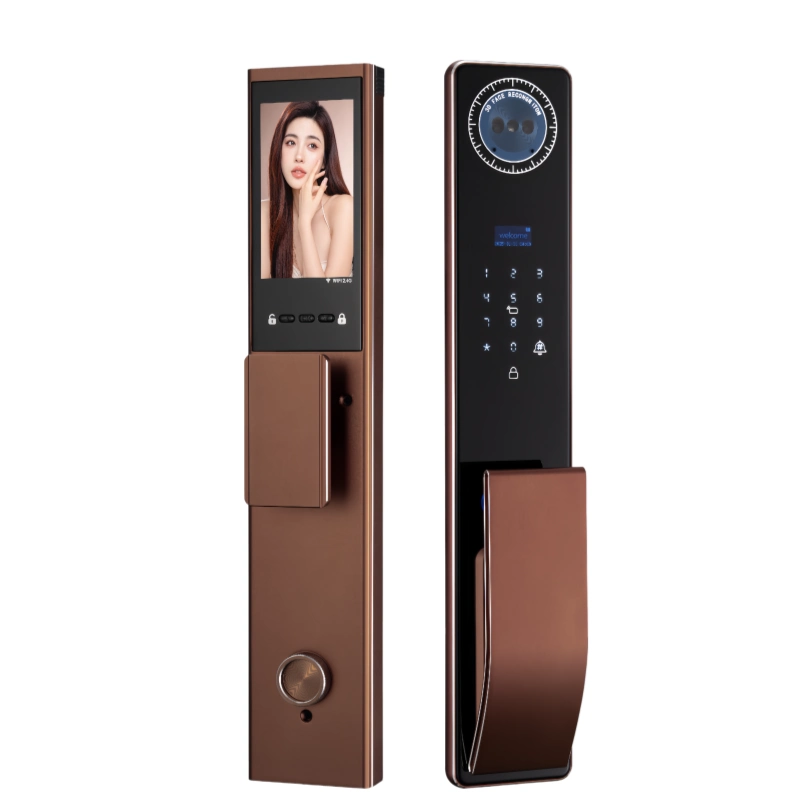
What counts as a “slim” smart lock?
There’s no official definition, but in practice a slim smart lock has three characteristics that set it apart from standard models:
1. Narrow body width. Standard smart locks often measure 70-80mm across the interior escutcheon. Slim models keep this under 55mm, so the lock doesn’t overhang the door edge or look disproportionately large.
2. Short backset compatibility. The backset is the measurement from the door edge to the center of the lock hole. Standard locks need 60mm or 70mm. Slim locks support 45mm and 50mm backsets, which covers the vast majority of narrow doors.
3. Reduced latch extension. The latch bolt on a slim lock doesn’t need to reach as far, because the lock body sits closer to the door edge. This means less stress on the mechanism and smoother operation over time.
Which doors actually need a slim lock?
Measure your backset first. Open the door, and measure from the edge of the door to the center of the borehole (the large round hole where the lock cylinder sits). If it’s 50mm or less, you need a slim lock. If it’s 60mm or more, a standard lock will work.
Common situations where slim locks are needed:
- Apartment entry doors — especially in older buildings or European-style construction where doors are narrower than the North American standard.
- Interior apartment doors — bedroom and bathroom doors in apartments often have a 45mm backset.
- Modified or custom doors — some renovation projects result in non-standard door preparations.
- Double-door setups — the passive door (the one that doesn’t open independently) is often narrow.
- Some metal security doors — particularly in Asian and European markets.
Do slim locks sacrifice security?
This is the question everyone asks, and the honest answer is: not if you choose the right one.
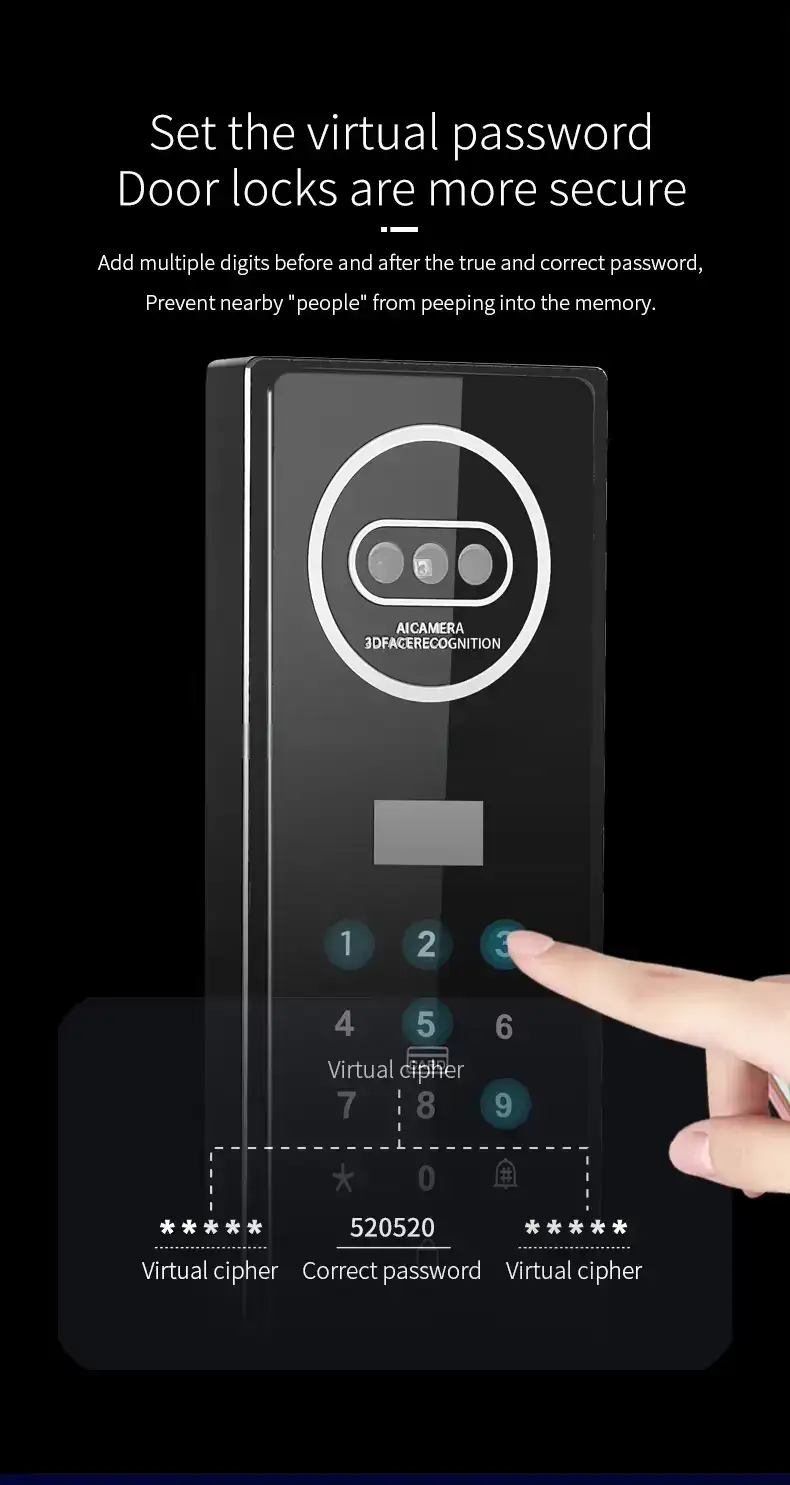
A slim lock with a solid zinc alloy body, a hardened steel deadbolt, and proper encryption (AES-128 or better) is just as secure as a standard-sized lock with equivalent specifications. The physical size of the lock body has no direct relationship to its resistance against picking, bumping, or forced entry — what matters is the material quality, bolt construction, and electronic security.
Where slim locks can fall short is in budget models that use thinner materials to achieve the smaller footprint. If a manufacturer simply shrinks a standard lock design without reinforcing the internal structure, the result may be weaker. That’s why it’s important to choose a slim lock from a reputable brand that specifically engineered the lock for narrow doors rather than just making a smaller version of an existing model.
What to look for when buying a slim smart lock
Backset range
Check the product specifications for the supported backset range. The best slim locks include an adjustable latch that works with both 50mm and 60mm backsets, giving you flexibility if you’re unsure of your exact measurement or plan to move the lock to a different door later.
Multiple access methods
Even on a slim lock, you should get at least three ways to unlock: fingerprint (or another biometric), PIN code, and a physical key backup. Many slim models also support NFC cards and smartphone app control via Bluetooth or WiFi. Don’t settle for a keypad-only lock — the whole point of going smart is having options.
Battery life
Slim locks have less space for batteries, so battery efficiency matters more than on standard locks. Look for models rated at 8 months or more of battery life under normal use, and ensure there’s a low-battery warning that alerts you with plenty of time to replace them. An emergency USB charging port on the exterior is a valuable safety net.
Build material
Choose a lock with a zinc alloy or stainless steel body. Avoid plastic housings for any exterior door application — they degrade under UV exposure and temperature cycling, and they provide no physical resistance against forced entry attempts.
Smart home compatibility
If you use Tuya, TTLock, Alexa, or Google Home, verify the lock supports your platform before purchasing. Not all slim locks offer WiFi connectivity — some are Bluetooth-only, which limits remote access and smart home integration.
Installation: is it harder than a standard lock?
Installing a slim smart lock is no more difficult than installing a standard one — in fact, it can be easier because the smaller body is lighter and easier to handle during mounting.
- Remove the old lock. Unscrew the interior plate and slide out the old latch and cylinder.
- Install the new latch. Slide the slim latch into the door edge, ensuring the correct backset position. Most slim latches are adjustable between 50mm and 60mm.
- Mount the exterior assembly. Position the exterior lock body (keypad/fingerprint sensor side) on the outside of the door.
- Attach the interior assembly. Secure the interior mounting plate and battery compartment on the inside of the door.
- Test and configure. Insert batteries, set your admin code, register fingerprints, and test all functions before relying on the lock for security.
The entire process typically takes 20 to 30 minutes with basic tools. If you’re uncomfortable with DIY installation, any locksmith can handle it in under 15 minutes.
Common mistakes to avoid
- Assuming all “compact” locks are slim-compatible. Some locks are marketed as compact or mini but still require a 60mm backset. Always check the backset specification.
- Forgetting to measure door thickness. Slim locks still need to accommodate your door’s thickness (typically 35-55mm). If your door is unusually thick, verify compatibility before buying.
- Ignoring the strike plate. A slim lock with a shorter backset means the latch hits a different spot on the door frame. You may need to reposition the strike plate — skip this step and the lock won’t latch properly.
- Choosing looks over substance. A sleek, minimalist lock that uses thin plastic housings won’t protect your home. Prioritize material quality over aesthetics.
The bottom line
If you have a narrow door, you don’t have to settle for a lock that doesn’t fit properly or a clunky workaround. Slim smart locks are purpose-built for this exact situation — they offer the same fingerprint, PIN, and app-controlled access as standard smart locks, in a package that actually fits your door.
Measure your backset, choose a lock with solid construction and multiple access methods, and don’t cut corners on installation. Do that, and you’ll have keyless security that works perfectly on a door where most smart locks simply can’t go.
Browse slim smart locks designed specifically for narrow doors at ezlivinglocks.com — with 45mm and 50mm backset compatibility, fingerprint access, and free shipping worldwide.