

Smart Door Locks: The Smart Choice for Secure and Modern Living

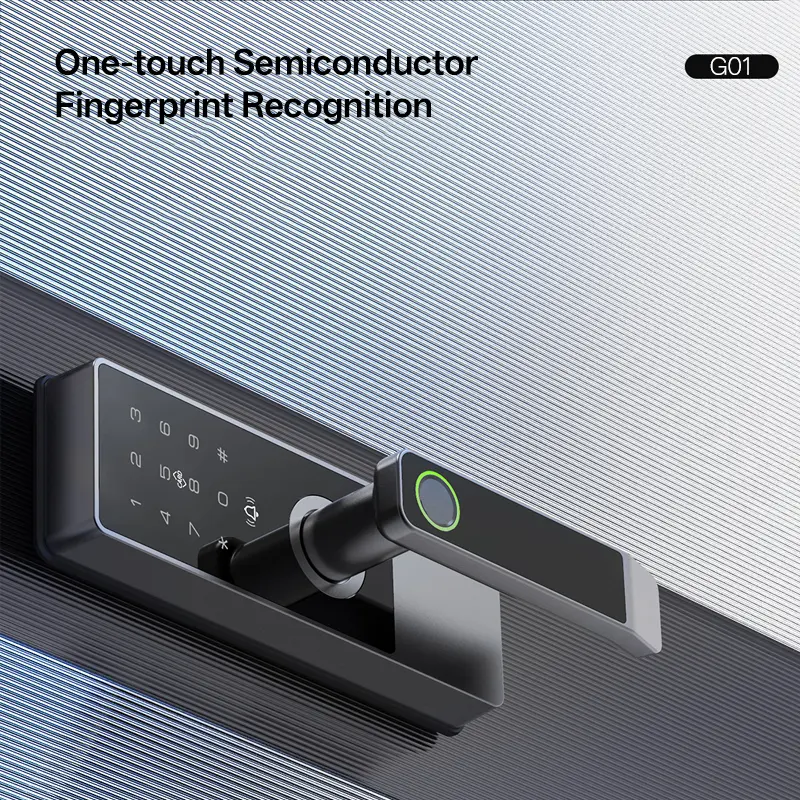
As lifestyles become more connected and fast-paced, the way we secure our homes and workplaces must evolve. Traditional keys and mechanical locks no longer meet the demands of modern users who value convenience, flexibility, and control. Smart door locks have emerged as a powerful solution, offering advanced security and intelligent access management for today’s living environments.
This article explores how smart door locks improve daily life, strengthen security, and provide long-term value for homeowners and businesses alike.
The Growing Need for Smarter Security Solutions
Modern living presents new security challenges. Families travel more frequently, properties are shared or rented short-term, and workspaces require flexible access control. Traditional locks struggle to keep up with these changes.
Smart door locks respond to these challenges by offering digital access methods, real-time monitoring, and remote control. They empower users with visibility and authority over their property at all times.
What Sets Smart Door Locks Apart?
Smart door locks differ from conventional locks in both function and philosophy. Rather than relying on a single physical key, they use multiple secure authentication methods supported by intelligent software.
These locks allow users to manage access dynamically, ensuring security adapts to changing needs instead of remaining static.
Smart Door Lock Features Designed for Real Life
Multiple Unlocking Options
Smart door locks support a variety of access methods, including:
- Fingerprint recognition
- PIN codes
- RFID cards
- Smartphone applications
- Bluetooth or Wi-Fi connectivity
This flexibility ensures that users can always access their property in the most convenient way possible.
Real-Time Access Awareness
Through mobile apps, users can instantly see when their door is opened or closed. Notifications provide peace of mind, especially for parents, frequent travelers, and property managers.
Access records also create accountability, helping users track usage over time.
Smart Automation Capabilities
Smart door locks can interact with other smart home devices. For example:
- Unlocking the door can turn on lights automatically
- Alarm systems can disarm upon authorized entry
- Security cameras can activate when suspicious activity is detected
This level of automation enhances both comfort and safety.
Security Beyond Physical Protection
Encrypted Digital Security
Smart door locks use encrypted communication protocols to protect data and prevent unauthorized access. Digital credentials are far more difficult to duplicate than physical keys.
Intelligent Alarm Systems
Many smart door locks feature built-in alarms that activate during forced entry attempts or repeated authentication failures. These alerts provide immediate protection and awareness.
Fail-Safe Design
To ensure reliability, smart door locks include backup unlocking methods such as mechanical keys or emergency power options. These safeguards guarantee access even in rare situations.
Smart Door Locks for Different User Groups
Homeowners and Families
Smart door locks offer families improved security and convenience. Parents can monitor when children return home, and elderly family members benefit from easy, keyless access.
Rental Property Owners
For short-term rentals, smart door locks eliminate key exchanges and simplify guest access. Temporary codes improve security and reduce management time.
Businesses and Offices
Smart door locks support structured access control in commercial spaces. Permission-based access improves security while reducing operational complexity.
Design, Style, and Durability
A smart door lock is both a security device and a design element. Modern locks feature sleek lines, premium materials, and minimalist aesthetics that complement contemporary architecture.
Durable construction ensures resistance to daily wear, weather conditions, and long-term use.
Installation and Maintenance Considerations
Most smart door locks are designed for easy installation and compatibility with standard doors. Clear instructions and professional support help ensure optimal performance.
Routine maintenance is minimal, usually limited to battery replacement and software updates.
Long-Term Value of Smart Door Locks
Although smart door locks may require a higher initial investment than traditional locks, their long-term benefits outweigh the cost. Reduced key replacement, enhanced security, and improved convenience deliver lasting value.
For property owners, smart locks can also increase property appeal and rental efficiency.
Smart Door Locks and the Future of Living
As smart homes become more common, smart door locks will continue to play a central role. Integration with AI, voice control, and cloud-based platforms will further enhance functionality.
In the future, smart door locks will not just protect doors—they will connect people, spaces, and technology seamlessly.
Conclusion
Smart door locks represent a modern approach to security that aligns with today’s connected lifestyles. They combine intelligent technology, thoughtful design, and dependable protection into a single solution.
For homes, rentals, and businesses, smart door locks offer a smarter, safer, and more efficient way to manage access. As smart living continues to grow, smart door locks will remain an essential component of secure and comfortable environments.