
Smart Door Locks: Building Safer, Smarter, and More Reliable Access Solutions

In today’s rapidly evolving digital world, security is no longer limited to physical barriers. Modern homes and businesses demand smarter, more adaptive protection systems that align with connected lifestyles. Smart door locks have become a key component of this transformation, offering intelligent access control that combines security, convenience, and advanced technology.
This article explores how smart door locks work, why they are trusted by modern users, and how they are shaping the future of secure access.
Why Traditional Locks Are No Longer Enough
Traditional mechanical locks have served their purpose for centuries, but they face increasing challenges in modern environments. Physical keys can be lost, duplicated, or stolen, and conventional locks provide no visibility into access history or real-time status.
Smart door locks address these limitations by introducing digital verification, encrypted communication, and intelligent monitoring. Instead of relying on a single key, they provide multiple layers of security that adapt to different usage scenarios.
The Technology Behind Smart Door Locks
Smart door locks integrate mechanical engineering with electronic intelligence. At the core of each system is a microprocessor that manages authentication, motor control, and communication.
Key technological components include:
- Biometric fingerprint sensors
- Secure PIN code modules
- RFID or NFC readers
- Bluetooth and Wi-Fi connectivity
- Encrypted data transmission protocols
Together, these elements ensure reliable operation while protecting user data and privacy.
Security Features That Inspire Confidence
Advanced Authentication Methods
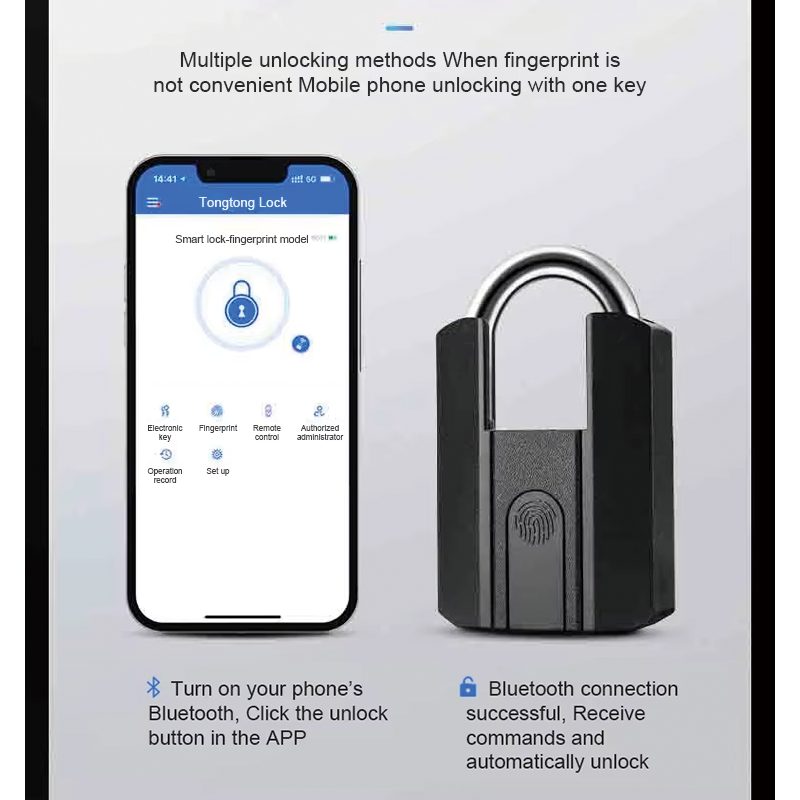
Smart door locks support multiple authentication options, allowing users to choose the method that best fits their lifestyle. Biometric recognition, such as fingerprints, ensures that only authorized users can unlock the door.
PIN codes and mobile credentials add flexibility, while encryption prevents unauthorized duplication or hacking attempts.
Real-Time Alerts and Monitoring
Modern smart door locks offer real-time notifications through mobile apps. Users can receive alerts for:
- Door unlocked events
- Forced entry attempts
- Repeated incorrect password inputs
- Low battery warnings
This immediate feedback enhances awareness and control, even when users are away from home.
Automatic Locking and Fail-Safe Protection
Auto-lock features ensure that doors are never accidentally left unlocked. In addition, most smart door locks include emergency backup options such as mechanical keys or external power ports, guaranteeing access in unexpected situations.
Smart Door Locks Designed for Everyday Life
Convenience Without Compromise
Smart door locks are designed to simplify daily routines. Unlocking the door takes seconds, and access can be shared without physical key handovers.
For families, this means easier access for children and elderly members. For professionals, it means secure entry without delays or complications.
Customizable Access Control
Users can create unique access permissions for different individuals. Temporary passwords, scheduled access times, and usage logs provide complete control over who can enter and when.
This feature is especially valuable for rental properties, offices, and shared living spaces.
Smart Door Locks Across Different Industries
Residential Security Solutions
Homeowners choose smart door locks for enhanced safety and modern aesthetics. These locks blend seamlessly with contemporary interior designs while providing dependable protection.
Property Management and Rentals
Smart door locks simplify property management by eliminating key logistics. Digital access codes can be generated and revoked instantly, reducing operational costs and improving security.
Commercial and Office Applications
In business environments, smart door locks help enforce access policies, monitor entry activity, and maintain a secure workplace. Integration with existing security systems further enhances efficiency.
Quality, Materials, and Engineering Standards
High-quality smart door locks are built to last. Premium materials such as zinc alloy, stainless steel, and reinforced internal components ensure durability and resistance to wear.
Strict quality control processes, from component testing to final assembly, guarantee consistent performance and long-term reliability.
Power Efficiency and Sustainability
Energy efficiency is an important consideration in smart door lock design. Optimized power management allows battery-powered locks to operate for extended periods.
Low-power consumption modes, intelligent wake-up systems, and timely battery alerts ensure uninterrupted use while reducing maintenance efforts.
How to Select the Right Smart Door Lock
Choosing the right smart door lock depends on several factors:
- Door structure and installation environment
- Desired unlocking methods
- Connectivity preferences
- Security certifications
- After-sales service and technical support
A reliable smart door lock should offer a balance between advanced features, durability, and ease of use.
The Future of Smart Door Lock Innovation
The smart door lock industry continues to evolve alongside advancements in artificial intelligence, cloud computing, and smart home ecosystems. Future developments may include:
- AI-driven identity verification
- Deeper integration with smart cities
- Enhanced cybersecurity frameworks
- Improved user personalization
As technology progresses, smart door locks will become even more intelligent, intuitive, and secure.
Conclusion
Smart door locks represent a new standard in access security. By combining intelligent technology with thoughtful design, they provide a secure and convenient solution for modern living.
From private homes to commercial spaces, smart door locks deliver reliability, control, and peace of mind. As smart living continues to expand globally, smart door locks will remain a fundamental element of safe and connected environments.