

Smart Door Locks: How Intelligent Security Is Redefining Modern Living

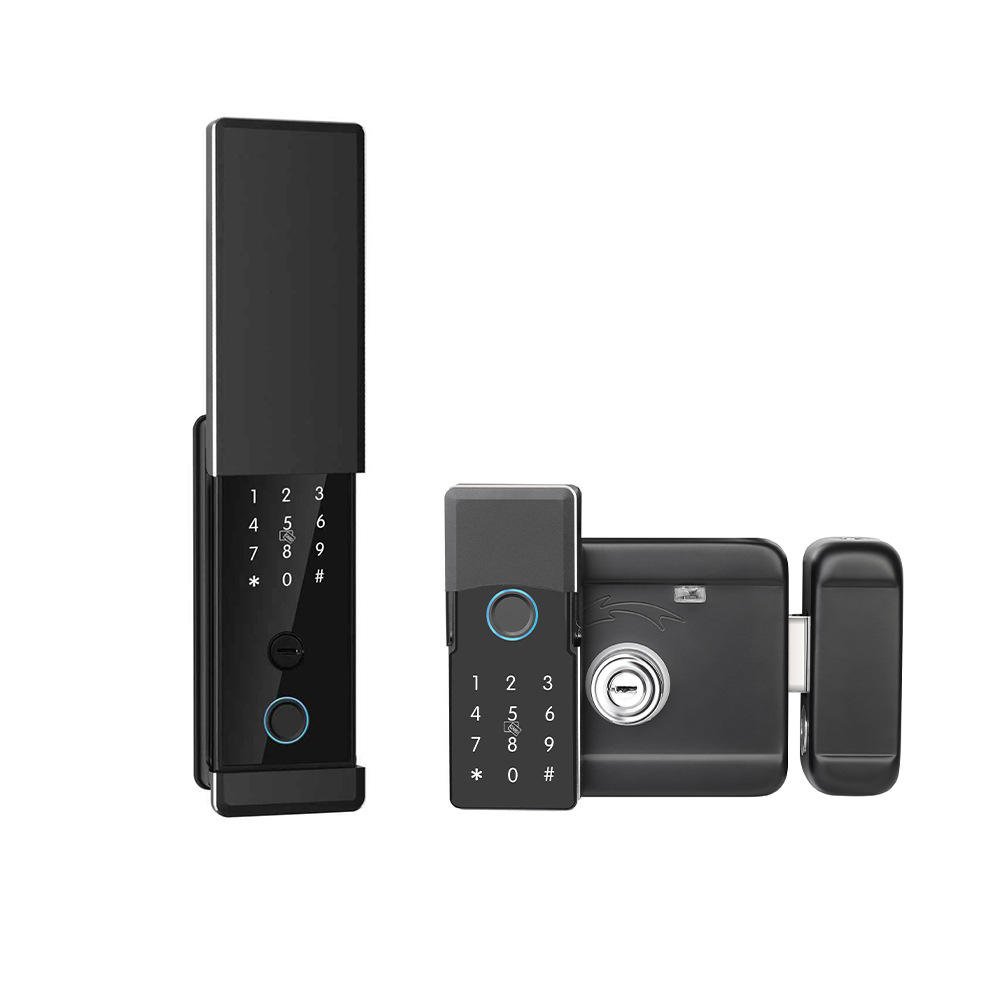
As technology continues to reshape the way we live, the concept of home security has evolved far beyond traditional keys and mechanical locks. Smart door locks have emerged as a cornerstone of modern smart homes, combining advanced security, convenience, and intelligent control into a single solution. From residential apartments to commercial buildings, smart door locks are rapidly becoming the preferred choice for users who value safety, efficiency, and a seamless digital lifestyle.
This article explores what smart door locks are, how they work, their key benefits, common technologies, and why they are becoming an essential upgrade for modern living.
What Is a Smart Door Lock?
A smart door lock is an electronic locking system that allows users to lock and unlock doors without relying solely on physical keys. Instead, access can be granted through digital methods such as PIN codes, fingerprint recognition, RFID cards, smartphone apps, Bluetooth, Wi-Fi, or even facial recognition.
Unlike traditional locks, smart door locks are designed to integrate with other smart devices and platforms, offering real-time control, monitoring, and automation. They are not just locks — they are intelligent security systems.
How Smart Door Locks Work
At their core, smart door locks combine mechanical locking components with electronic control systems. When a user verifies their identity through an approved method, the lock’s motor engages to unlock or lock the door.
Most smart door locks consist of:
- A mechanical locking body
- An electronic control module
- One or more authentication methods
- A power source (usually batteries)
- Optional connectivity modules (Bluetooth, Wi-Fi, Zigbee, or Z-Wave)
Advanced models connect to mobile apps or smart home hubs, allowing users to manage access remotely, receive notifications, and track usage history.
Key Benefits of Smart Door Locks
Enhanced Security
Smart door locks significantly improve security by eliminating risks associated with lost or copied keys. Features such as encrypted communication, biometric verification, and auto-locking functions help prevent unauthorized access.
Many smart door locks also include:
- Tamper alerts
- Failed access attempt warnings
- Lock status notifications
- Anti-peep password technology
These features provide peace of mind whether users are at home or away.
Keyless Convenience
One of the biggest advantages of smart door locks is keyless entry. Users no longer need to carry physical keys, worry about forgetting them, or hide spare keys outdoors.
With options like fingerprints, passwords, or smartphone access, entering your home becomes faster, easier, and more intuitive. Temporary access codes can also be created for guests, cleaners, or service providers.
Remote Control and Monitoring
Smart door locks with Wi-Fi or hub connectivity allow users to control their doors remotely. This means you can:
- Lock or unlock your door from anywhere
- Check if the door is locked in real time
- Receive instant notifications when someone enters or exits
- Review access logs through a mobile app
For busy homeowners or property managers, this level of control is a game changer.
Perfect for Smart Home Integration
Modern smart door locks are designed to work seamlessly with smart home ecosystems. They can integrate with:
- Smart lighting systems
- Security cameras
- Video doorbells
- Voice assistants like Alexa or Google Assistant
For example, unlocking the door can automatically turn on lights and disarm the alarm system, creating a smooth and intelligent user experience.
Common Types of Smart Door Lock Technologies
Fingerprint Smart Door Locks
Fingerprint recognition is one of the most popular technologies in smart door locks. It offers fast, secure, and highly accurate identification. Advanced sensors can recognize fingerprints in less than a second and adapt over time for better accuracy.
Fingerprint smart door locks are especially popular for residential use due to their convenience and reliability.
Password and PIN Code Locks
Password-based smart door locks allow users to enter a numeric code to unlock the door. Many models support multiple user codes and temporary passwords.
Features like virtual passwords or random number input help protect against password theft by preventing others from guessing the real code.
RFID and Card-Based Locks
These smart door locks use RFID cards or key fobs for access. They are commonly used in hotels, offices, and rental properties due to their ease of management and scalability.
Lost cards can be easily deactivated without changing the entire lock system.
App-Controlled and Bluetooth Locks
Bluetooth smart door locks connect directly to a smartphone within a certain range. They are energy-efficient and ideal for users who want app-based control without full internet connectivity.
Some models support automatic unlocking when the authorized phone approaches the door.
Wi-Fi Smart Door Locks
Wi-Fi-enabled smart door locks provide full remote access and real-time notifications. They are perfect for users who travel frequently or manage multiple properties.
Although they consume more power than Bluetooth locks, their advanced features make them highly desirable for modern smart homes.
Smart Door Locks for Different Scenarios
Residential Homes
For homeowners, smart door locks offer a combination of safety, convenience, and modern design. They are ideal for apartments, villas, and townhouses, especially for families with children or elderly members.
Apartments and Rental Properties
Smart door locks simplify access management for landlords and property managers. Temporary codes can be issued for tenants, and access can be revoked instantly after checkout, making them perfect for short-term rentals.
Offices and Commercial Spaces
In offices, smart door locks help control employee access, track entry records, and improve overall security. They also reduce administrative costs associated with traditional keys.
Hotels and Hospitality
Hotels benefit from smart door locks by offering contactless check-in, mobile access, and improved guest experience while maintaining high security standards.
Design and Durability Considerations
A high-quality smart door lock is not only intelligent but also durable and aesthetically pleasing. Premium models use materials such as stainless steel, aluminum alloy, or tempered glass panels.
Weather resistance, anti-corrosion coatings, and robust internal mechanisms ensure long-term reliability, especially for outdoor installations.
Choosing the Right Smart Door Lock
When selecting a smart door lock, users should consider:
- Door type and thickness
- Required access methods
- Power consumption and battery life
- Connectivity options
- Integration with existing smart home systems
- Brand reliability and after-sales support
A well-chosen smart door lock should balance security, usability, and design.
The Future of Smart Door Locks
The future of smart door locks is closely tied to advancements in artificial intelligence, IoT, and biometric technology. We can expect:
- More accurate facial recognition
- AI-based behavior analysis
- Deeper smart home automation
- Improved energy efficiency
- Stronger cybersecurity standards
As smart homes become more widespread, smart door locks will play an even more central role in daily life.
Conclusion
Smart door locks are transforming the way we think about home and property security. By combining advanced technology with practical design, they offer a smarter, safer, and more convenient alternative to traditional locks.
Whether for residential, commercial, or hospitality use, smart door locks represent a long-term investment in security, efficiency, and modern living. As technology continues to evolve, adopting smart door locks is no longer just an upgrade — it is a step toward the future.