

Smart Door Locks Explained: The Ultimate Guide to Intelligent Access Control

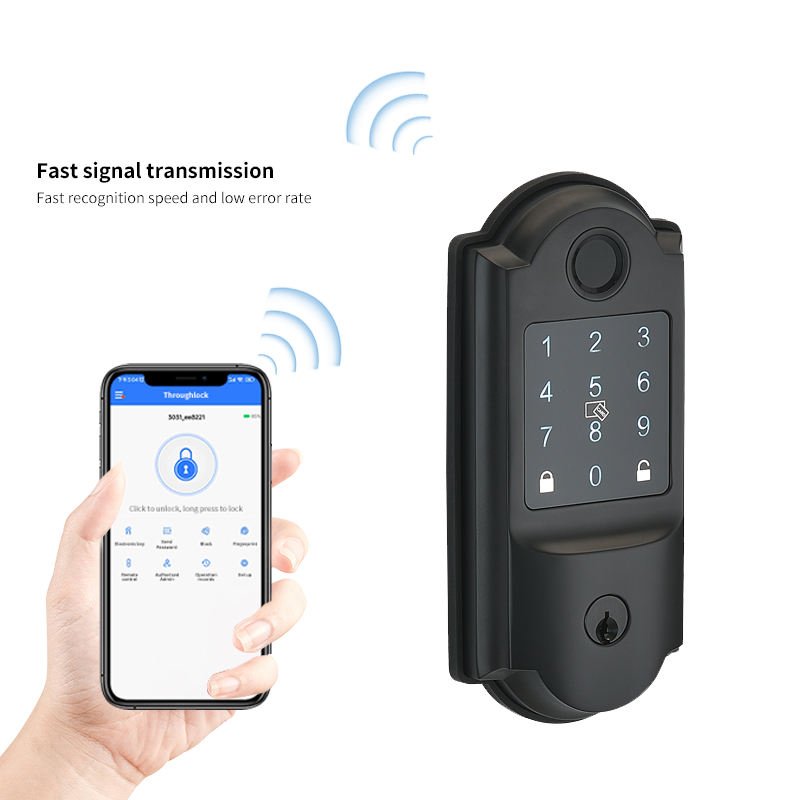
Security has always been a fundamental part of human living, but the way we protect our homes and properties is changing rapidly. Traditional mechanical locks are no longer enough for today’s connected world. Smart door locks have emerged as a modern solution, offering intelligent access control, higher security standards, and unmatched convenience.
This guide explains everything you need to know about smart door locks, including how they improve security, who should use them, and why they are becoming the future of access control.
The Evolution from Traditional Locks to Smart Door Locks
For decades, door security relied on physical keys and simple mechanical structures. While reliable, traditional locks come with inherent risks: keys can be lost, copied, or stolen, and locks can be forced or picked.
Smart door locks address these issues by combining mechanical strength with digital intelligence. Instead of a single point of access, smart locks support multiple authentication methods, real-time monitoring, and advanced security features that adapt to modern lifestyles.
This evolution reflects a broader shift toward smart living and connected devices.
What Makes a Door Lock “Smart”?
A smart door lock is defined not just by being electronic, but by its ability to think, communicate, and respond.
Key characteristics include:
- Multiple access methods (fingerprint, PIN, card, app)
- Electronic identity verification
- Access record tracking
- Remote management capabilities
- Integration with smart home systems
These features turn a simple lock into a complete access management solution.
Core Advantages of Smart Door Locks
Multi-Layered Security Protection
Smart door locks use layered security instead of relying on a single key. Biometric data, encrypted digital signals, and intelligent algorithms significantly reduce the risk of unauthorized entry.
Advanced models can detect abnormal behavior, such as repeated failed attempts, and trigger alarms or notifications instantly.
Flexible Access Management
One of the biggest advantages of smart door locks is the ability to manage access dynamically. Users can:
- Create temporary or time-limited access codes
- Grant or revoke access remotely
- Assign different permissions to different users
- Monitor who enters and when
This flexibility is especially valuable for families, landlords, and businesses.
Improved User Experience
Smart door locks are designed to simplify daily routines. Quick fingerprint recognition, automatic locking, and app-based control eliminate unnecessary steps and save time.
For users carrying groceries, traveling frequently, or managing multiple properties, the convenience is undeniable.
Popular Smart Door Lock Access Technologies
Biometric Recognition
Biometric smart door locks use fingerprint or facial recognition technology to verify identity. Fingerprint recognition remains the most widely adopted due to its speed and accuracy.
Modern biometric sensors can store multiple users and adapt to slight changes in fingerprints over time.
PIN Code and Virtual Password Systems
PIN-based smart locks allow users to unlock doors using numeric passwords. Many models support virtual passwords, which add random digits before or after the real code to prevent password theft.
This technology is ideal for shared households and short-term access scenarios.
RFID and Smart Cards
RFID-based smart door locks are commonly used in hotels, offices, and commercial buildings. Cards are easy to issue, manage, and deactivate, making them ideal for environments with high user turnover.
Mobile App and Cloud Control
App-controlled smart door locks connect to smartphones through Bluetooth or Wi-Fi. Cloud-based systems allow real-time monitoring, remote unlocking, and instant notifications.
These features provide unmatched control, especially for users who travel often.
Smart Door Locks in Real-World Applications
Family Homes
For families, smart door locks offer peace of mind. Parents can track when children arrive home, create access for relatives, and ensure doors are always locked automatically.
Rental and Airbnb Properties
Smart door locks eliminate the need for key exchanges. Hosts can issue temporary access codes to guests and revoke them automatically after checkout, improving security and operational efficiency.
Office and Workplace Security
In office environments, smart door locks improve access control and reduce administrative costs. Access logs provide accountability, while permission levels enhance internal security.
Hospitality and Commercial Buildings
Hotels and serviced apartments use smart door locks to provide contactless check-in experiences. Mobile access enhances guest satisfaction while maintaining high security standards.
Design, Materials, and Durability
A smart door lock must be both intelligent and durable. High-quality models use:
- Zinc alloy or stainless steel bodies
- Scratch-resistant glass panels
- Weather-resistant coatings
- High-torque motors for long-term use
Design also plays a critical role, as smart door locks are often a visible part of the door and should complement modern interiors.
Battery Life and Power Management
Most smart door locks are battery-powered. Efficient power management ensures long battery life, often lasting several months to over a year.
Low-battery alerts and emergency power options, such as USB backup ports or mechanical keys, ensure uninterrupted access.
Choosing the Right Smart Door Lock
When selecting a smart door lock, consider:
- Installation requirements
- Door compatibility
- Security certifications
- Supported access methods
- Smart home integration
- Brand reputation and warranty
The right choice depends on usage scenarios, security needs, and budget.
Smart Door Locks and the Future of Access Control
As artificial intelligence and IoT technologies continue to evolve, smart door locks will become even more intelligent. Future innovations may include:
- AI-powered identity recognition
- Behavior-based access control
- Seamless integration with entire smart ecosystems
- Stronger cybersecurity protocols
Smart door locks will not only protect doors but also act as intelligent gateways to connected living spaces.
Conclusion
Smart door locks represent a fundamental shift in how we approach security and access control. They combine advanced technology, thoughtful design, and practical functionality into a single solution that meets the demands of modern life.
Whether for homes, rentals, or commercial spaces, smart door locks offer a smarter, safer, and more flexible way to manage access. As intelligent living continues to grow, smart door locks will remain at the heart of secure, connected environments.